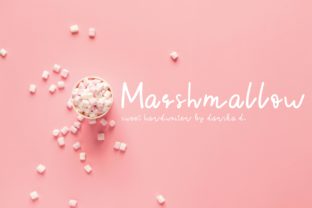
Marshmallow Craft Projects for Contemporary Cool
When you think of marshmallows, your mind likely drifts toward s’mores and hot cocoa. But anyone who has ever poked a toothpick into a fresh, puffy cube knows there is a quiet genius to this confection. Marshmallow is ridiculously pliable, almost adhesive when lightly moistened, and it comes in shapes and colors that rival the most curated craft supply aisle. Beyond the campfire, a wave of modern makers is turning this childhood staple into a medium for design, branding, education, and content creation. The result feels less like a kindergarten activity and more like an intentional creative strategy with a soft, cloudlike edge.
What makes marshmallow so compelling for contemporary projects is its unusual combination of properties. It is food-safe yet sculptural. It can be dyed, painted with edible sheen, toasted for texture, or dehydrated until it becomes lightweight and stable. It bonds easily with other edible materials like pretzel sticks, chocolate, and fondant, but it also holds to suction cups, skewers, and wire armatures when structure matters. Because marshmallows are inexpensive and nearly universal, they become a fast way to prototype a concept, stage a tablescape, or build a visual story without sinking hours into procurement.
Why Marshmallow Works as a Creative Medium
At its core, marshmallow is a sugar-based foam—air trapped in a matrix of sugar, water, and usually gelatin or a vegan gelling agent. That foam makes it lightweight enough to suspend, soft enough to impale without cracking, and forgiving enough that a collapsed tower is just a quick reset. The surface is naturally slightly tacky, which means dry toppings like sprinkles, crushed freeze-dried fruit, and cocoa powder cling without extra glue. When you dab a marshmallow with a bit of water or corn syrup, it becomes almost magnetic to other marshmallows, gummies, and cookie elements.
Contemporary coolness steps in when you treat these traits as design constraints rather than limitations. The limited shelf life forces immediacy—perfect for a pop-up event or a one-day brand activation that thrives on freshness. The soft geometry encourages organic forms that look deliberate, not messy. Pastels and neons emerge from natural and food-grade colorants, aligning with a color palette that feels current across social feeds and editorial spreads. Marshmallow is no longer just a snack; it is a tool for visual communication.
Event Planning and Brand Activations
Marketers and event designers have quietly embraced marshmallow for interactive installations. A self-serve marshmallow-topping bar at a product launch does more than feed guests; it creates a shareable moment. People photograph their custom skewers, tag the brand, and linger in the space. Because marshmallows are low-cost and high-volume, a design team can build a towering centerpiece made entirely of stacked and skewered jumbo puffs without exhausting the budget. Replacing floral foam with edible construction is a conversation starter that lands equally well at a wedding, a creative conference, or an influencer luncheon.
For large-scale branding, think beyond the plate. A wall installation of marshmallows arranged to form a logo or pattern works temporarily for a photo backdrop. When glued to a foam board with edible adhesive or piped chocolate, the texture catches light softly. After the event, the installation can be repurposed into s’mores kits for attendees, reducing waste and reinforcing a mindful brand message. The transient nature of edible art adds a sense of exclusivity that digital audiences appreciate.
Edible Content Creation and Social Storytelling
Content creators, bloggers, and social media managers are always hunting for visuals that feel tactile and attainable. Marshmallow delivers both. A flat lay of homemade marshmallow blooms with coordinated pastel stems reads as charming and original. Stop-motion reels showing a marshmallow character being “built” frame by frame tap into the handmade trend that algorithms reward. Because the material is so approachable, audiences see themselves replicating the work, which boosts comments, saves, and shares.
Styling with marshmallow doesn’t require a food photography degree. Natural light against a neutral background makes the confection’s powdery surface glow. Add a few strategic props—a vintage plate, a linen napkin, a sprig of rosemary—and you have a scene that fits cozy cafe vibes or minimalist aesthetic feeds. Small batch artisans selling gourmet marshmallows often use the crafting angle to differentiate themselves, showing the behind-the-scenes process of hand-cutting cubes, swirling colors, and topping with edible flowers. That process is as valuable as the product itself in building a loyal community.
Hands-On Learning and STEM Concepts
Educators discovered long ago that a bag of mini marshmallows plus a box of toothpicks equals immediate geometry. A fifth-grade teacher can demonstrate cube vertices; a high school chemistry instructor can model molecular structures with different colored puffs for atoms. But there’s nothing stopping a freelance workshop leader from scaling the idea for adult team-building events. When a corporate group builds a marshmallow-and-spaghetti tower to learn about iteration and failure, the mood stays light because the stakes feel playful. The learning sticks because the medium is memorable.
For public library makerspaces and community maker faires, marshmallow proves to be an inclusive entry point. It requires no sharp tools, no expensive machinery. Participants with varying motor skills can press shapes together, create edible sculptures, and discuss structural principles afterward. The cleanup is faster than glue guns, and the smell of vanilla lingers in a much friendlier way than ozone or burnt plastic. It lowers the barrier to participation, which is exactly what effective community programming should do.
Commercial and Entrepreneurial Angles
Small business owners in the gourmet food space have expanded the definition of marshmallow from a candy to a canvass. Hand-cut artisan marshmallows in flavors like matcha, passionfruit, and black sesame become the featured element in subscription boxes, gift sets, and cafe displays. The craft angle emerges when these makers show how to use their product beyond snacking: as hot chocolate toppers stamped with logos, as cupcake fillings that peek through Swiss meringue, or as a base for edible jewelry at a pop-up. A self-employed baker can offer a “marshmallow design add-on” for custom cakes, boosting average order value with minimal extra labor.
Freelance food stylists and prop designers also find regular work using marshmallows to mock up products for photo shoots and commercials. Ice cream that won’t melt under studio lights? A scooped, shaped, and lightly torched marshmallow can mimic a perfect scoop. A cereal bowl with buoyant, pastel pieces? Hand-tinted marshmallow bits stay afloat and look pristine for hours. These trade secrets save productions time and money, and they underscore the versatility of a material often dismissed as too juvenile for serious projects. The key is technique and intention.
Real-World Examples and Observations
A boutique marketing agency recently set up a pop-up “Campfire Concierge” for a client’s rebranding event. They replaced the expected candy bar with a marshmallow-and-skewer station that included gourmet dips, torches for toasting, and custom-printed parchment with brand values. The installation cost less than a floral wall yet generated more organic media impressions. In another case, a freelance illustrator used dried marshmallow discs as the “canvas” for hand-painted portraits with edible ink, selling them as limited-edition toppers for a bakery’s anniversary collection. Both projects share a common thread: they treat marshmallow as a legitimate medium, not a gimmick.
On a smaller scale, an interior stylist created a temporary window display for a boutique using marshmallow strands to simulate a beaded curtain. The strands were strung on fishing line and hung against a monochrome backdrop. The installation lasted only three days, but it drew foot traffic precisely because it was perishable. The window became a destination before it disappeared. That kind of intentional impermanence can be a compelling storytelling tool in an era of endless digital archives.
Practical Considerations When Working with Marshmallow
If you’re evaluating marshmallow for a project, start by auditing the environment. Humidity is your main enemy; high moisture causes the surface to become sticky and structurally weak. For installations in air-conditioned spaces or dry climates, you can expect several days of integrity. For outdoor summer events, plan for a same-day setup and teardown, or choose a display that embraces melting as a feature rather than a defect. Temperature resistance can be improved slightly by using dried or toasted marshmallows, but true preservation requires substitution (like modeling chocolate or polymer clay) if longevity is non-negotiable.
Allergies and dietary restrictions also need attention. Traditional marshmallows contain gelatin, which is not vegan, and many commercial varieties include corn syrup and artificial colors. Fortunately, the market now offers vegan marshmallows made with agar or carrageenan, as well as naturally colored options using spirulina, beet, and turmeric. Stocking these alternatives allows you to broaden audience participation without sacrificing visual appeal. Test the structural behavior beforehand, as different gelling agents can alter firmness and adhesion.
Storage matters. Keep unused marshmallows in airtight containers away from heat and light. If you’re building an element in advance, consider a test run to gauge drying and shape retention. For skewered or stacked pieces, refrigerate partially assembled components but bring them to room temperature before final assembly to avoid condensation that could dissolve surface decorations. Use food-grade gloves when handling large quantities to preserve a clean, fingerprint-free appearance.
Cost is another factor, though marshmallows are inherently affordable. Homemade versions require sugar, glucose syrup, gelatin or alternative, and a stand mixer. The effort pays off if you need specific colors, flavors, or custom shapes. Store-bought is perfect for volume tasks, and you can source mini, regular, jumbo, flat, or even tubular marshmallows depending on your vision. Keep a stock of both mini and jumbo sizes; minis work well as fillers and mosaic pieces, while jumbos serve as anchor points and structural cores.
Recommendations for Getting Started
Begin with a tiny, low-pressure project. Create a single-centerpiece marshmallow flower stem, a tiny geodesic sphere, or a stylized alphabet letter. The tactile problem-solving will teach you more than any written guide. Notice how humidity affects the surface after an hour, how a dab of melted chocolate acts like quick-set cement, how a toothpick pierces at exactly 90 degrees for a clean joint. These observations translate directly to more ambitious builds.
Experiment with coatings to elevate the aesthetic. A fine dusting of freeze-dried raspberry powder yields a matte, magenta finish. Edible luster dust brushed on with a dry paintbrush brings a metallic sheen that photographs spectacularly. Micro shavings of white chocolate mimic snow or fuzz. The transformation is immediate and often surprises people who associate marshmallow only with white cylinders. Document your experiments; the evolution makes compelling behind-the-scenes content that resonates with audiences who appreciate process over perfection.
If you’re using marshmallow in a professional context, always have a backup plan. Shipments get crushed, humidity spikes, and sometimes the one vegan invitee needs a separate batch. Keep extra materials on hand and be ready to pivot to a simpler design if logistics fail. The beauty of this medium lies in its low consequence—a failed tower is five minutes of sculpting away from a new idea, not a crisis. That mental shift is precisely why so many entrepreneurs and educators embrace it. It rewards curiosity without penalizing imperfection.
Finally, share what you learn. The community around edible crafting is generous and global. A quick social post of your marshmallow typography or architectural copy can spark collaborations, workshop requests, and commissions. By positioning marshmallow as a legitimate contemporary material rather than a novelty, you align yourself with a movement that values cleverness, sustainability through immediacy, and the soft power of a surprisingly capable little puff.